Faculty publications reflect the breadth of expertise and research interests within the Department of Architecture. Work ranges from technical guidelines and handbooks to built-project case studies and scholarship in architectural history and theory.
These research interests also inform teaching throughout the department, connecting faculty scholarship with seminars, studios and courses.
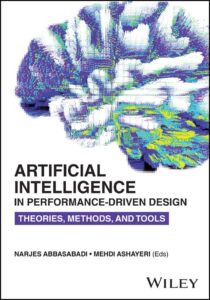
Artificial Intelligence in Performance-Driven Design: Theories, Methods, and Tools
Edited by Narjes Abbasabadi and Mehdi Ashayeri
304 pp, Wiley
May 2024
Artificial Intelligence in Performance-Driven Design explores the use of artificial intelligence and machine learning for performance modeling in the built environment. The book examines theoretical foundations, modeling frameworks, case studies and computational tools related to energy flows, environmental quality and human systems.
It also considers intelligent systems and digital twins as tools for improving the design, operation and management of complex built environments.
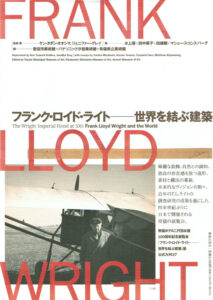
Frank Lloyd Wright and the World
Ken Tadashi Oshima, Editor
254 pp, Kajima Institute
November 2023
Marking the centennial of the completion of the Imperial Hotel in Tokyo, this retrospective examines Frank Lloyd Wright as one of the first global architects. It considers how Wright incorporated influences from Japan and other parts of Asia, Mesoamerica, Indigenous North America and Europe into his architectural vocabulary and philosophy of organic architecture.
Design Computing: An Overview of an Emergent Field
Brian R. Johnson
202 pp, Routledge
November 2016
This introduction to design computing examines the evolving relationship between traditional design practice and computational tools. Topics include digital representation, programming, interfaces, building technologies, information management and the changing role of computing in architectural practice and education.
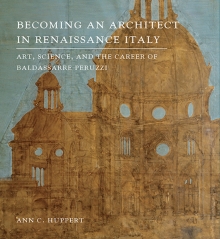
Becoming an Architect in Renaissance Italy
Ann C. Huppert
224 pp, Yale University Press
June 2015
Ann C. Huppert reexamines the work of Renaissance architect Baldassarre Peruzzi through his extensive collection of drawings. The book shows how Peruzzi’s studies of buildings, antiquity, engineering and representation reveal an evolving architectural practice and contribute to the emergence of architecture as a profession distinct from the other arts.
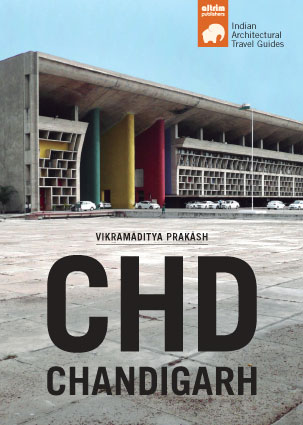
Architectural Guide to Chandigarh
Vikram Prakash
Altrim Publisher, Barcelona
January 2015
This architectural guide presents self-guided walks through Chandigarh’s modernist architecture. It includes work by Le Corbusier, Pierre Jeanneret, Maxwell Fry and Jane Drew, as well as Indian architects including M.N. Sharma, Aditya Prakash and Shivdatt Sharma.

The Urban Department Store in America, 1850–1930
Louisa Iarocci
258 pp, Routledge
December 2014
This study examines the urban department store as both a building type and a social institution. It considers how commercial spaces developed through interconnected economic, technological, aesthetic and cultural forces, placing the department store within the broader evolution of the American city.
Shaping Seattle Architecture: A Historical Guide to the Architects, Second Edition
Jeffrey Karl Ochsner
576 pp, University of Washington Press
June 2014
The second edition of Shaping Seattle Architecture expands the original 1994 guide with new information and illustrations. Fifty-four essays profile architects who shaped Seattle’s built environment and place their work within local, national and global architectural contexts.
Life Cycle Assessment
Kathrina Simonen
182 pp, Routledge
May 2014
Life Cycle Assessment introduces architects, engineers and builders to the principles and practice of evaluating the environmental impacts of materials and whole buildings. The book connects life-cycle analysis with practical design decisions involving materials, reuse, sustainability and building performance.
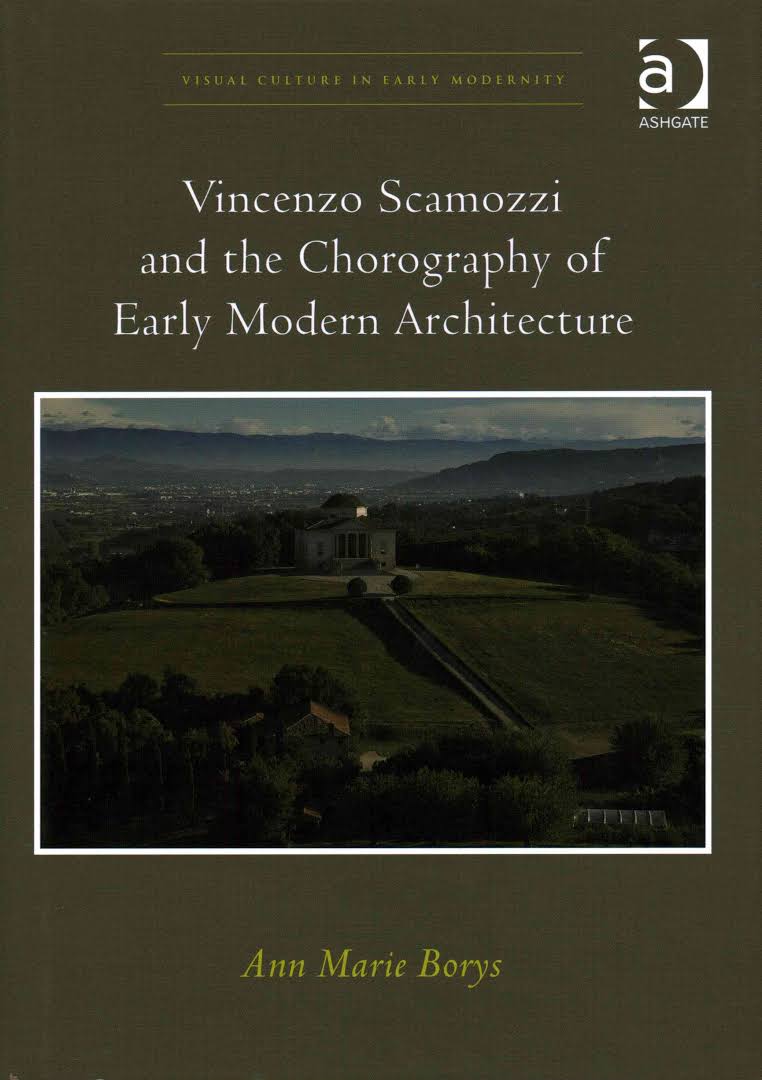
Vincenzo Scamozzi and the Chorography of Early Modern Architecture
Ann Marie Borys
Ashgate
March 2014
This book examines sixteenth-century architect Vincenzo Scamozzi as a traveler, observer and theorist of place. It argues that his engagement with geography, cartography and natural history helped make concepts of place central to architectural knowledge during a period of significant cultural change.
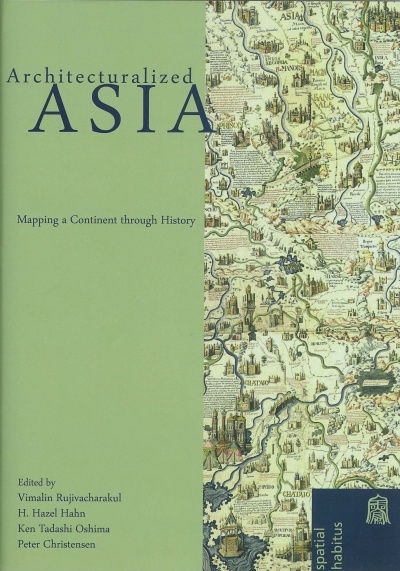
Architecturalized Asia: Mapping a Continent Through History
Ken Tadashi Oshima
344 pp, University of Hawaii Press
February 2014
This collection examines built environments and visual narratives across Asia through cartography, icons and symbols in different historical contexts. It grew from a three-year project exploring cultural exchange, the formation of regional boundaries and the development of architectural identities.
Daylighting Design in the Pacific Northwest
Christopher Meek and Kevin G. Van Den Wymelenberg
Forward by Joel Loveland
192 pp, University of Washington Press
December 2012
This practice-based book examines daylighting strategies in fourteen Pacific Northwest projects, from schools and community centers to offices and public facilities. Case studies consider climate, orientation, surrounding conditions and occupant needs to demonstrate how daylight can support both energy performance and architectural quality.
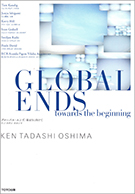
Global Ends: Towards the Beginning
Ken Tadashi Oshima
352 pp, TOTO Publishers
August 2012
Global Ends considers the relationship between global and local architectural practice in the early twenty-first century. Through work by architects from several regions, the book examines how locally grounded design approaches can respond to broader cultural, environmental and architectural questions.
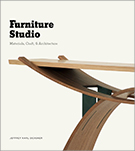
Furniture Studio: Materials, Craft and Architecture
Jeffrey Karl Ochsner
304 pp, University of Washington Press
April 2012
Furniture Studio explores the history, methods and influence of the furniture design and fabrication studios at the University of Washington Department of Architecture. The book considers how direct engagement with materials and making contributes to architectural education and creative design practice.

Statics and Strengths of Materials: Foundations for Structural Design, Fourth Edition
Barry S. Onouye and Kevin Kane
624 pp, Prentice Hall
March 2011
This illustrated reference introduces structural principles for architects, builders and engineers. It emphasizes load paths, structural systems and the relationship between structural design, architecture and construction through visual explanations and building examples.
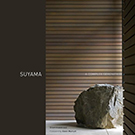
Suyama: A Complex Serenity
Grant Hildebrand
176 pp, University of Washington Press
March 2011
Grant Hildebrand examines the career and design philosophy of Seattle architect George Suyama. Through twenty built and unbuilt projects, the book traces Suyama’s development of a restrained architecture shaped by the Pacific Northwest, Japanese influences, material detail and a pursuit of visual simplicity.
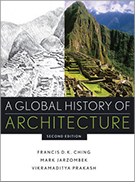
A Global History of Architecture, 2nd Edition
Mark M. Jarzombek and Vikramaditya Prakash, Francis D. K. Ching, Consultant Editor
864 pp, Wiley
December 2010
Organized along a global timeline, this survey places architectural traditions from around the world within a shared historical framework. The second edition expands coverage of Africa, South Asia, Southeast Asia and Pre-Columbian America and includes extensive illustrations and drawings by Francis D. K. Ching.
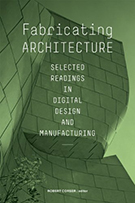
Fabricating Architecture: Selected Readings in Digital Design and Manufacturing
Robert Corser
216 pp, Princeton Architectural Press
April 2010
Fabricating Architecture brings together twelve essays examining the effects of digital tools, computation and manufacturing technologies on architectural design and practice. Robert Corser’s introductions frame the debates surrounding these emerging approaches and their implications for the discipline.
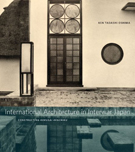
International Architecture in Interwar Japan: Constructing Kokusai Kenchiku
Ken Tadashi Oshima
320 pp, University of Washington Press
January 2010
Ken Tadashi Oshima examines exchanges between architects in Japan, Europe and the United States during the interwar years. Focusing on Yamada Mamoru, Horiguchi Sutemi and Antonin Raymond, the book traces how international modernism and traditional Japanese architectural practices influenced one another.
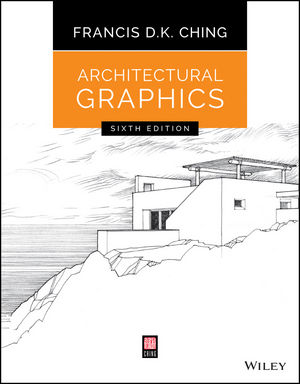
Architectural Graphics, Sixth Edition
Francis D.K. Ching
256 pp, Wiley
November 2009
Since its first publication in 1975, Architectural Graphics has introduced generations of architecture and design students to graphic communication. The sixth edition updates Francis D.K. Ching’s illustrated guide to drawing techniques, graphic tools and conventions for communicating architectural ideas.

Urbanizing the Mojave Desert: Las Vegas
Nicole Huber and Ralph Stern
English / German
192 pp, Jovis Verlag Berlin / USA: Distributed Art Press
Fall 2008
This book examines Las Vegas and the Mojave Desert as a hybrid landscape shaped by everyday urbanization, development, consumption and environmental pressures. Rather than focusing solely on the Strip, it explores the complex relationship between the city, regional landscapes and broader patterns of contemporary growth.
Lionel H. Pries, Architect, Artist, Educator: From Arts and Crafts to Modern Architecture
Jeffrey Karl Ochsner
403 pages, University of Washington Press
November 2007
This book examines the career and legacy of architect, artist and University of Washington professor Lionel H. Pries. It traces the influences that shaped his work and highlights his role in architectural education and the development of modern architecture in the Pacific Northwest.
Toward a New Regionalism: Environmental Architecture in the Pacific Northwest
David E. Miller
208 pp, University of Washington Press
June 2005
Toward a New Regionalism examines sustainable architecture through the environmental and cultural conditions of the Pacific Northwest. The book traces regional approaches to green design and presents case studies illustrating strategies related to water, energy, materials, climate and site.