Graduate Certificates
A graduate certificate program is defined as a linked series of credit-bearing graduate courses that constitutes a coherent body of study. It is designed to enhance the education of matriculated graduate students and professional students.
Students can pursue the following college-wide, graduate-level interdisciplinary certificates:
Historic Preservation
The interdepartmental Certificate in Historic Preservation seeks to prepare professionals skilled in dealing with historically significant issues in design, rather than to train professional restorationists or preservationists.
This program integrates fully with the M.Arch curriculum and with the MS in Architecture — History and Theory curriculum. Students can qualify for either degree and the Historic Preservation Certificate concurrently.
Its 12–15 course credits encompass issues relating to the identification, designation, interpretation and preservation of historic places, as well as restoration, adaptive reuse and the design of sympathetic new construction in historic contexts.
Real Estate and Housing Studies
Real estate is an interdisciplinary field requiring collaboration among professionals with backgrounds spanning planning, architecture, engineering, business, law, public policy, sciences and health, among others.
The two-quarter Graduate Certificate in Real Estate (GCRE) offers non-real estate UW graduate students an opportunity to learn the fundamental concepts and tools critical to the workings of real estate markets while helping them understand how their own fields of study can be useful in real estate.
The Graduate Certificate in Housing Studies (GCHS) offers graduate students an opportunity to learn the fundamental concepts and tools essential to understanding housing production and consumption at regional, national and global levels.
For more information, visit the Graduate Certificate in Real Estate program page. Questions should be directed to Prof. Sofia Dermisi.
Urban Design
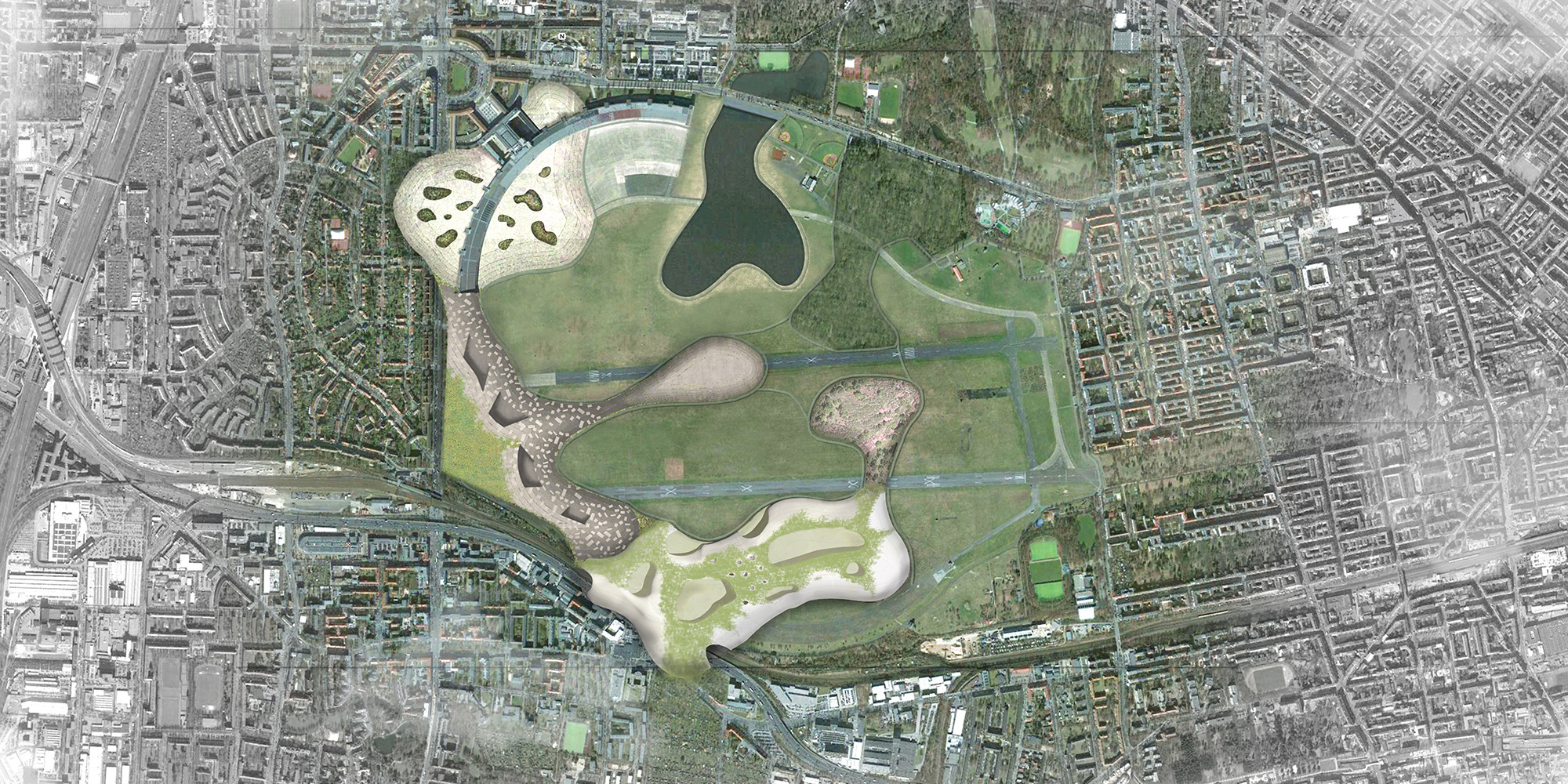
The interdepartmental Certificate in Urban Design emphasizes the phenomena of place-making and the connections between site, people, culture and the urban built response.
Research interests of its faculty include contextualism and continuity, the role of types and styles in design, the town as artifact and sources of regional identity.
This program integrates fully with the M.Arch curriculum, and students can qualify for the Master of Architecture degree and the Urban Design Certificate concurrently.
Its 12–15 credits include courses in urban design, history of urban form, urban design methods, quantitative methods and urban development. The Certificate in Urban Design program is open to students in the M.Arch program who show promise of achievement in urban design.