Skip to content

Ken Tadashi Oshima Receives 2026 Good Design Award

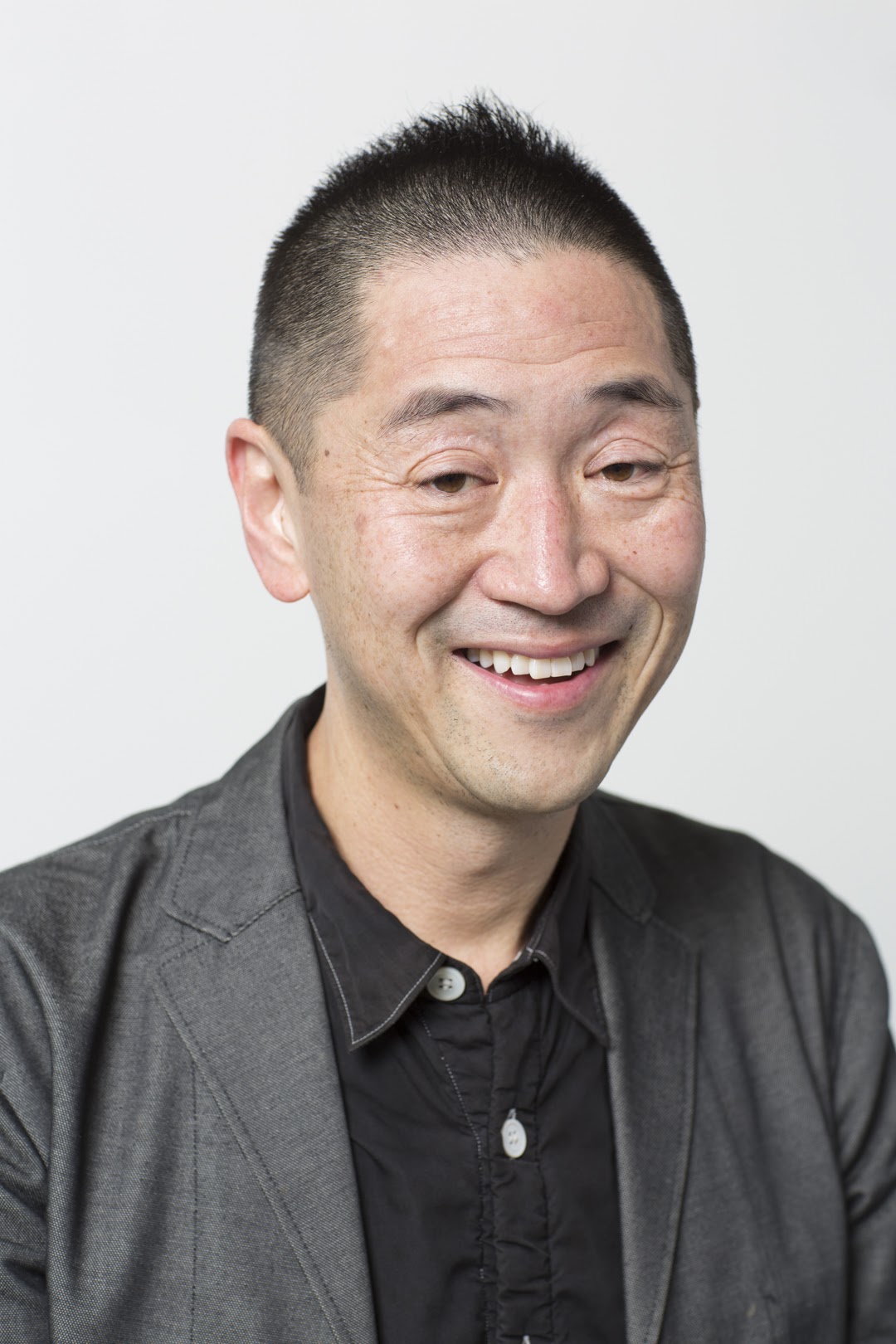
Portrait of Ken Tadashi Oshima

University of Washington Professor Ken Tadashi Oshima, has received a 2026 Good Design Award 2026 Good Design Award for LIVING Modernity: Experiments in the Exceptional and Everyday 1920s–1970s, an exhibition in Tokyo for which he served as co-curator and co-designer. Through his curatorial work, Oshima helped frame a critical examination of modern domestic architecture, exploring how architectural experimentation, technological innovation, and changing cultural values reshaped residential design and everyday life throughout the twentieth century.
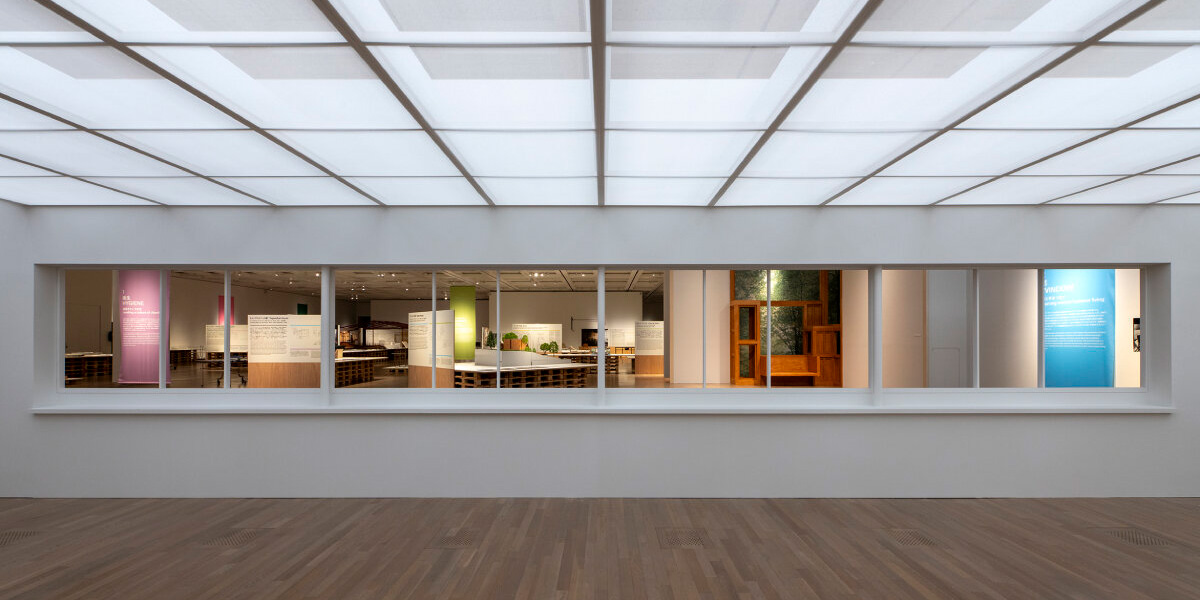
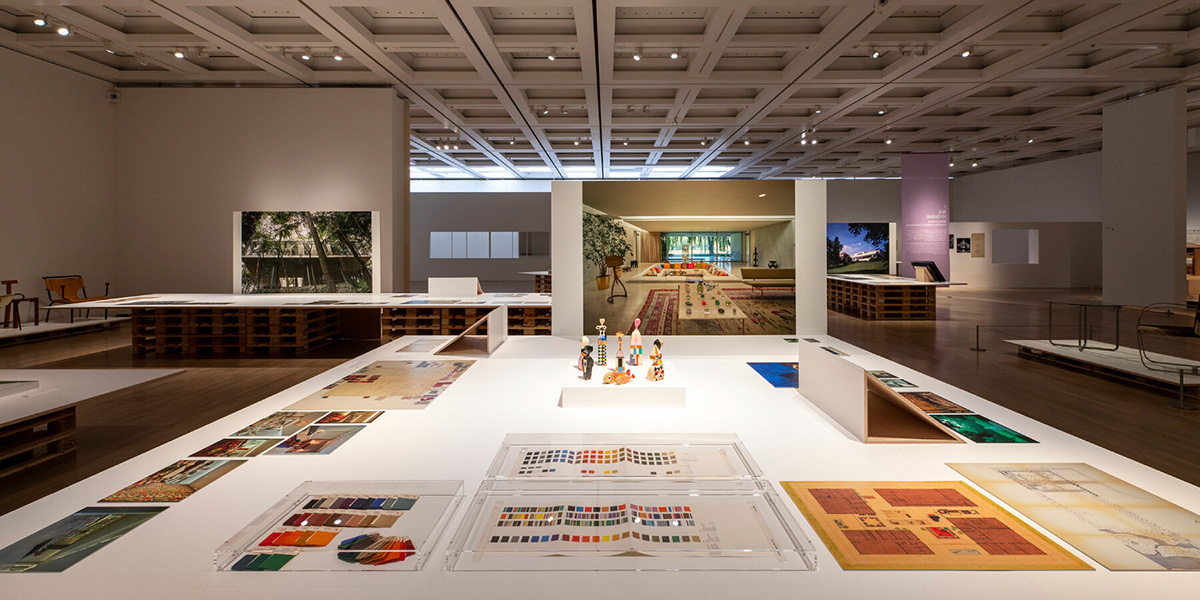
Image Courtesy of Kazuo Fukunaga

Focusing on 14 seminal houses built between the 1920s and 1970s, the exhibition organizes its inquiry around seven themes: hygiene, materials, windows, kitchens, furnishings, media, and landscape. Bringing together architectural drawings, photographs, models, furniture, textiles, and archival publications, the exhibition constructs a multidisciplinary account of modern housing that extends beyond individual buildings to consider the cultural and material conditions of domestic life. Oshima’s curatorial contribution situates these architectural experiments within their specific historical, regional, and social contexts, revealing how modernist ideals were adapted to the needs of inhabitants and the pursuit of more functional, comfortable, and expressive living environments.

By connecting architectural works with the objects, representations, and media through which their ideas circulated, LIVING Modernity demonstrates how experimental approaches to housing became embedded in broader domestic practices. The exhibition offers a nuanced interpretation of modern architecture not simply as a stylistic movement, but as an ongoing transformation of the relationship between built form, technology, and everyday experience.
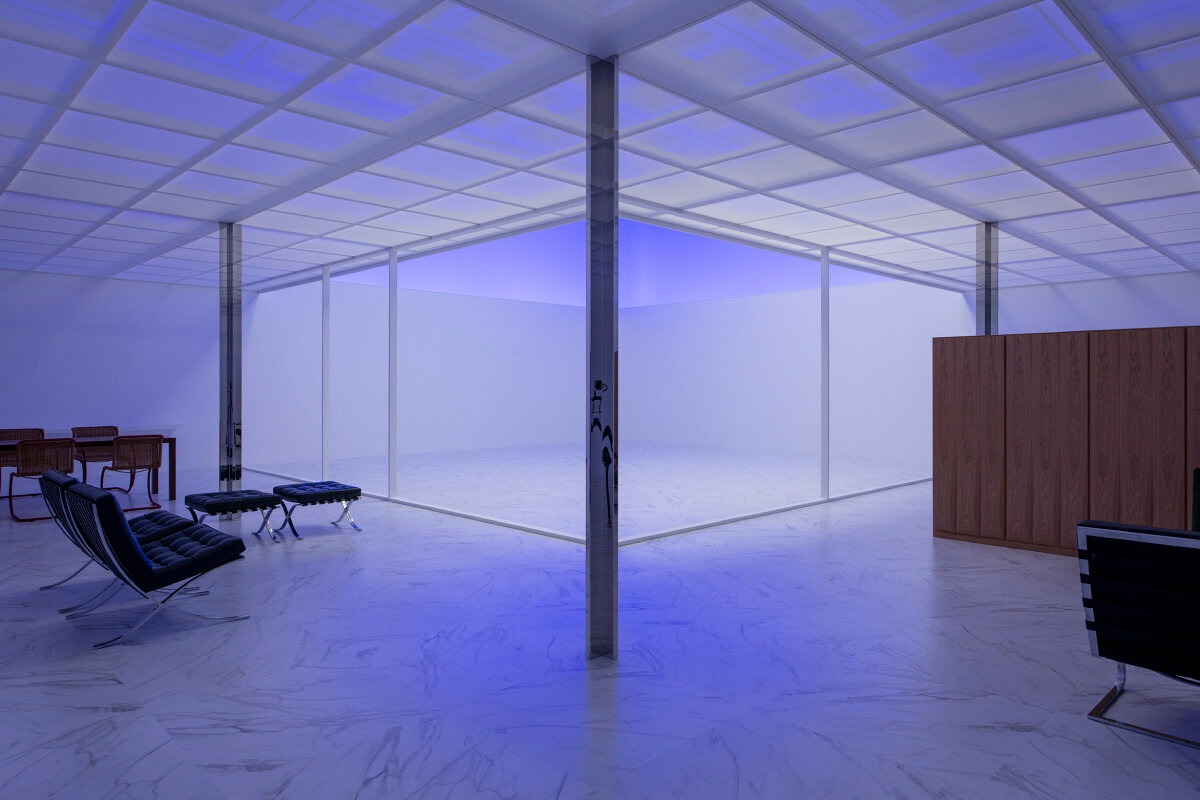
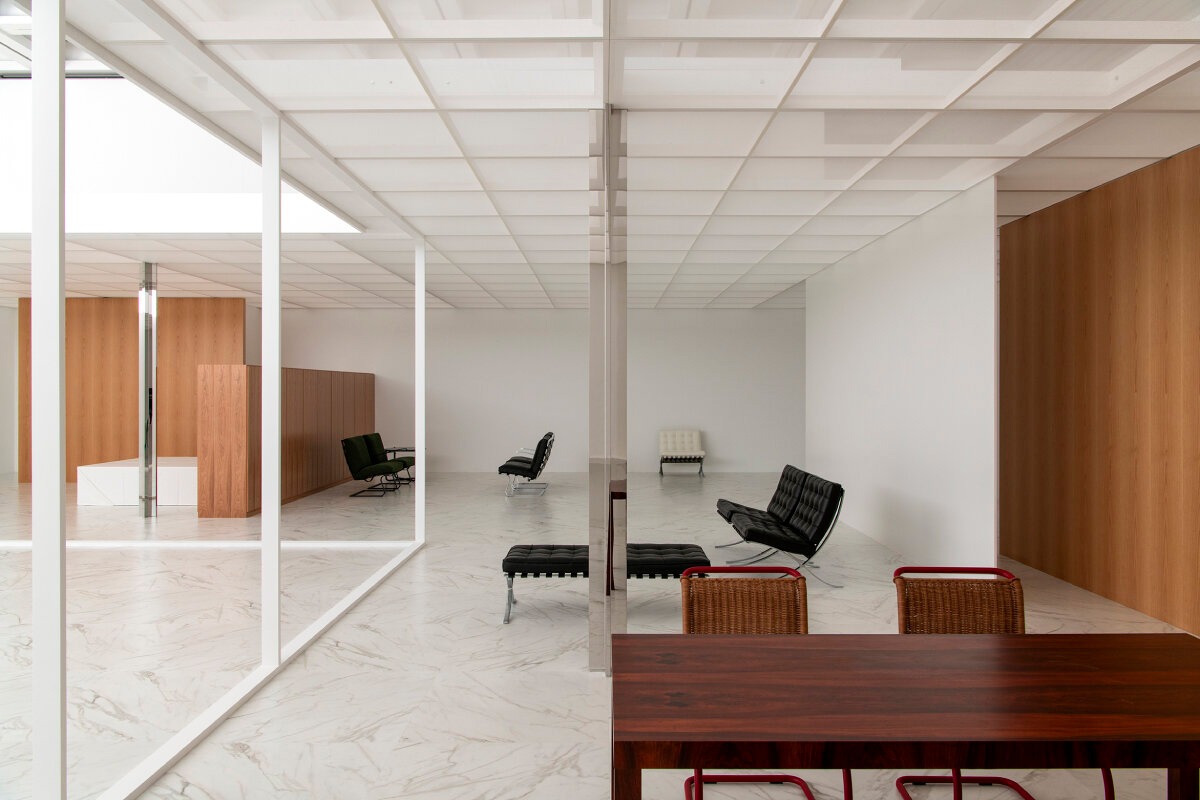
Image Courtesy of Kazuo Fukunaga

The 2026 Good Design Award recognizes the exhibition’s contribution to design discourse and public engagement with architectural history. Congratulations to Professor Oshima on this recognition and his continued contributions to architectural scholarship and curatorial practice.

Learn more about his work on his faculty profile. Congratulations, Ken!
In Memoriam: Leon Bridges Sr., FAIA, NOMAC

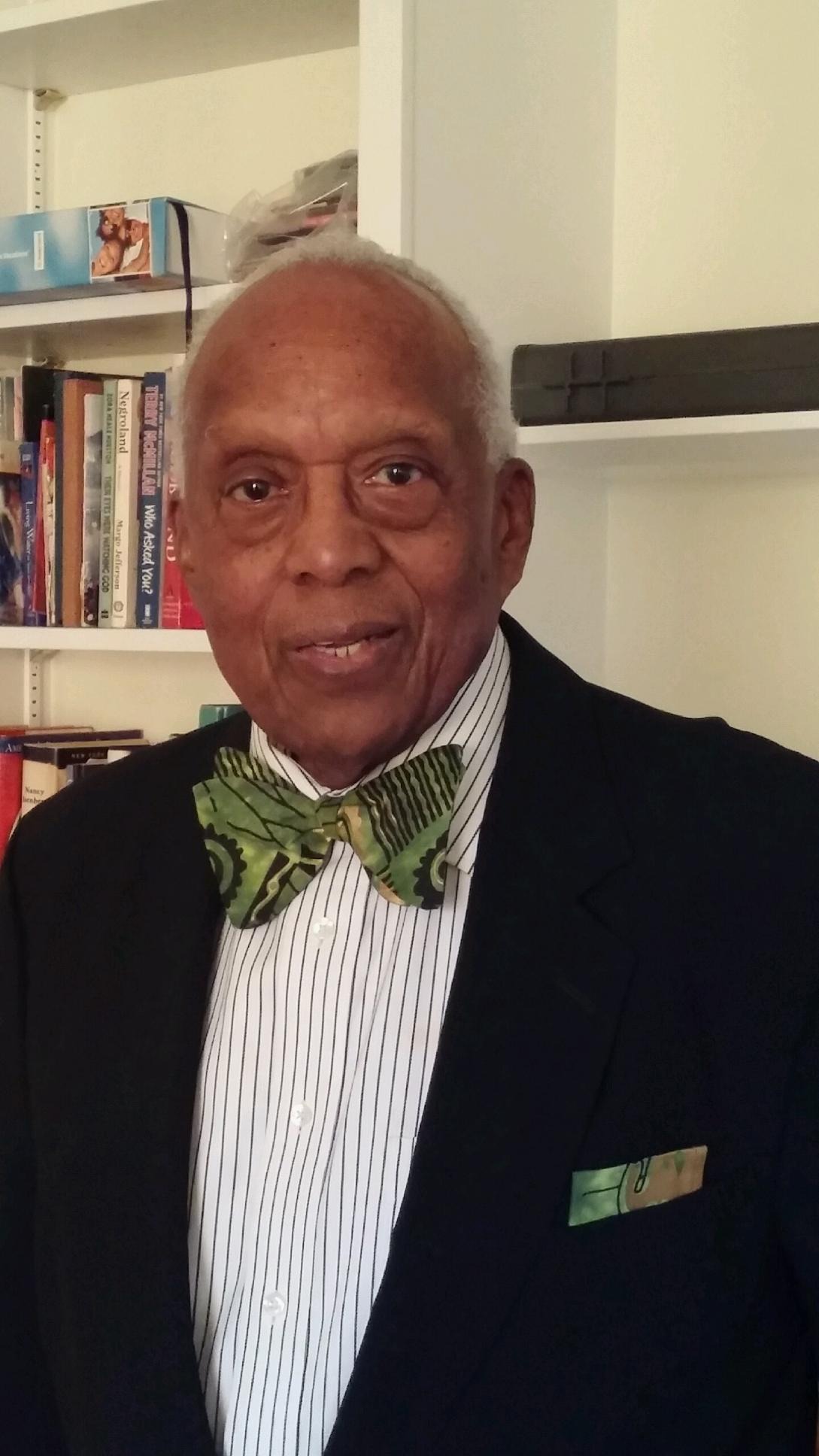
Headshot - Leon Bridges
Headshot – Leon Bridges

We are saddened to announce the passing of 2025 Architecture Distinguished Alumnus Leon Bridges Sr., FAIA, NOMAC, on April 13, 2026. He was 93.

Leon Bridges received his Bachelor of Architecture degree from the University of Washington in 1960 and an MBA from Loyola University Maryland in 1984. He founded the firm Leon Bridges, AIA, in Seattle in 1963 and partnered with Edward Burke in 1966 to form Bridges/Burke. In 1972, he relocated the firm to Baltimore, where he became principal of The Leon Bridges Company and the first registered African American architect in the state of Maryland.

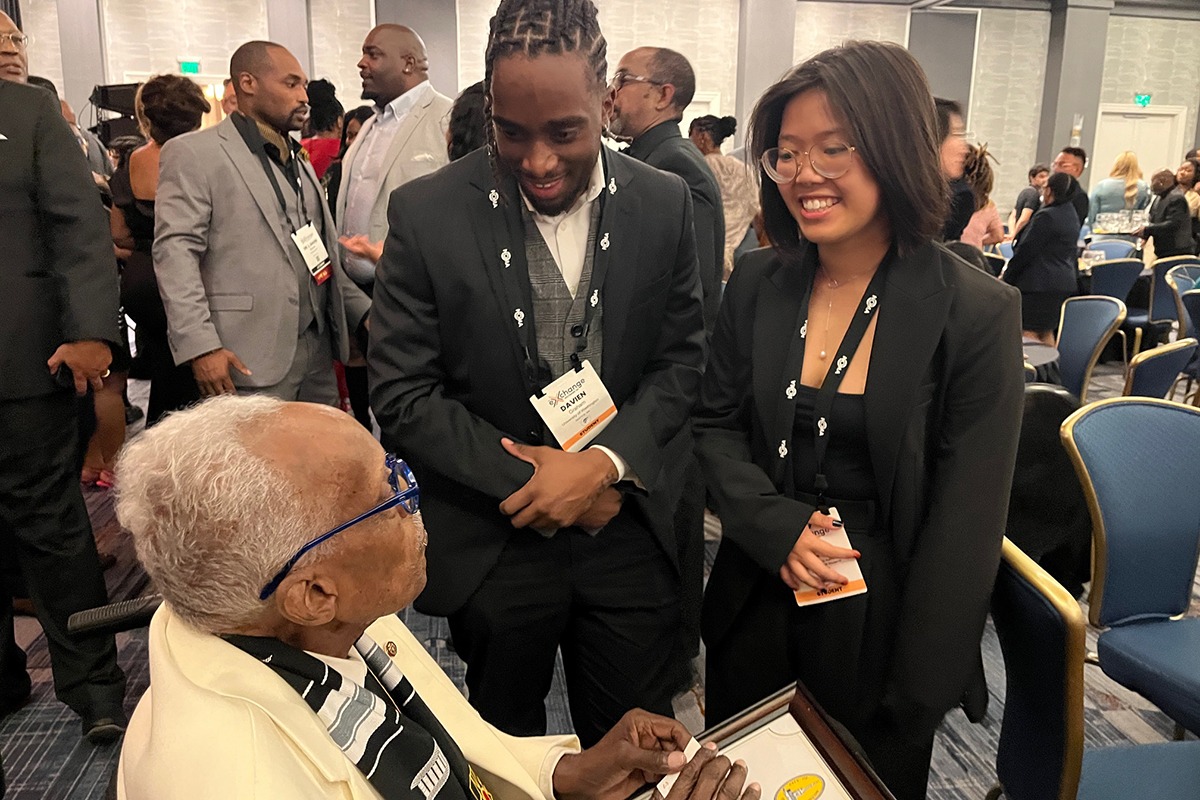
Leon Bridges with UW NOMAS Leadership at the 2024 NOMA Conference
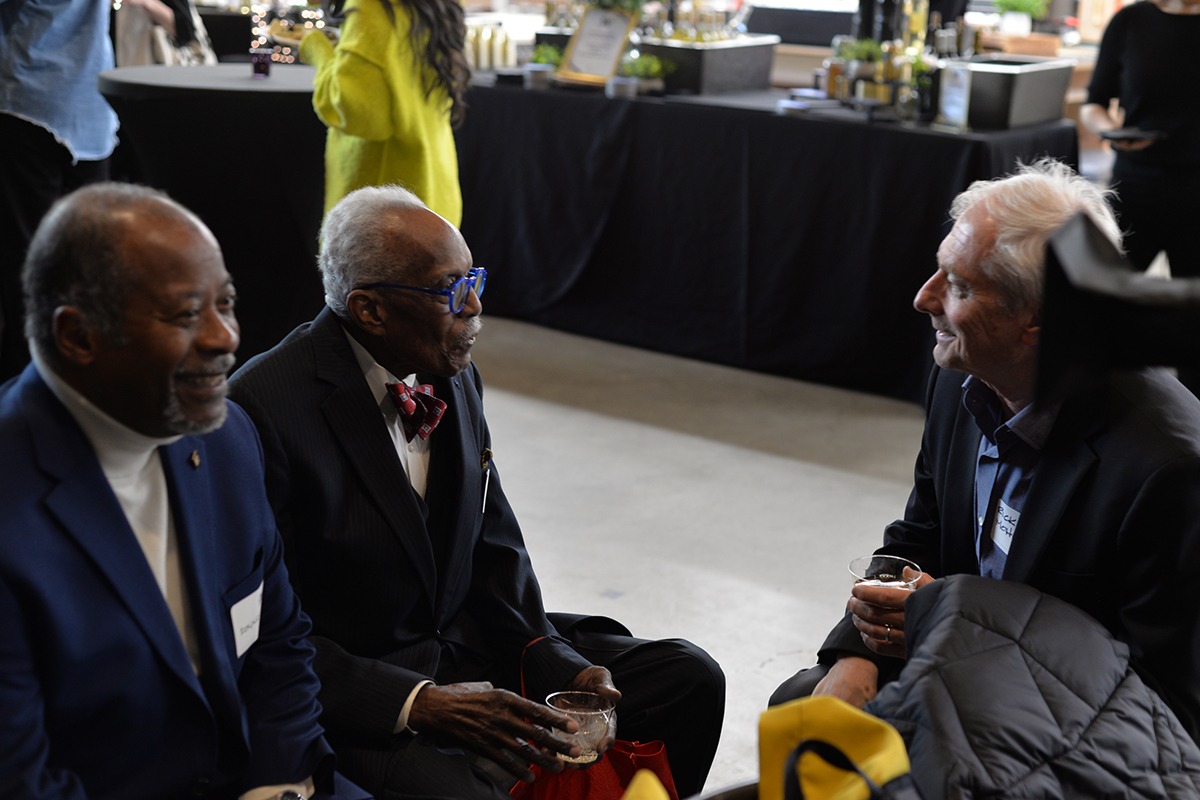
Rick Mohler, Donald King, & Leon Bridges
Rick Mohler, Donald King, & Leon Bridges at the 2025 UW Architecture Distinguished Alumni Awards Program

Over the course of his distinguished career, Bridges received more than 20 national, regional, and local awards for design excellence in Seattle, Boston, Baltimore, and Washington. His award-winning projects include Baltimore City College; the restoration of Pennsylvania Station; the Administration Building at Coppin State University; the MTA Central Control Transportation Building; Boston’s Lexington Market Metro and Green Street station MBTA stations; the Science Complex at Morgan State University; and the Charles and Eleanor Smith residence in Seattle. He was the first African American architect to be honored by the national American Institute of Architects with an AIA Citation for Excellence in Community Architecture for the Washington State I-90 Project.

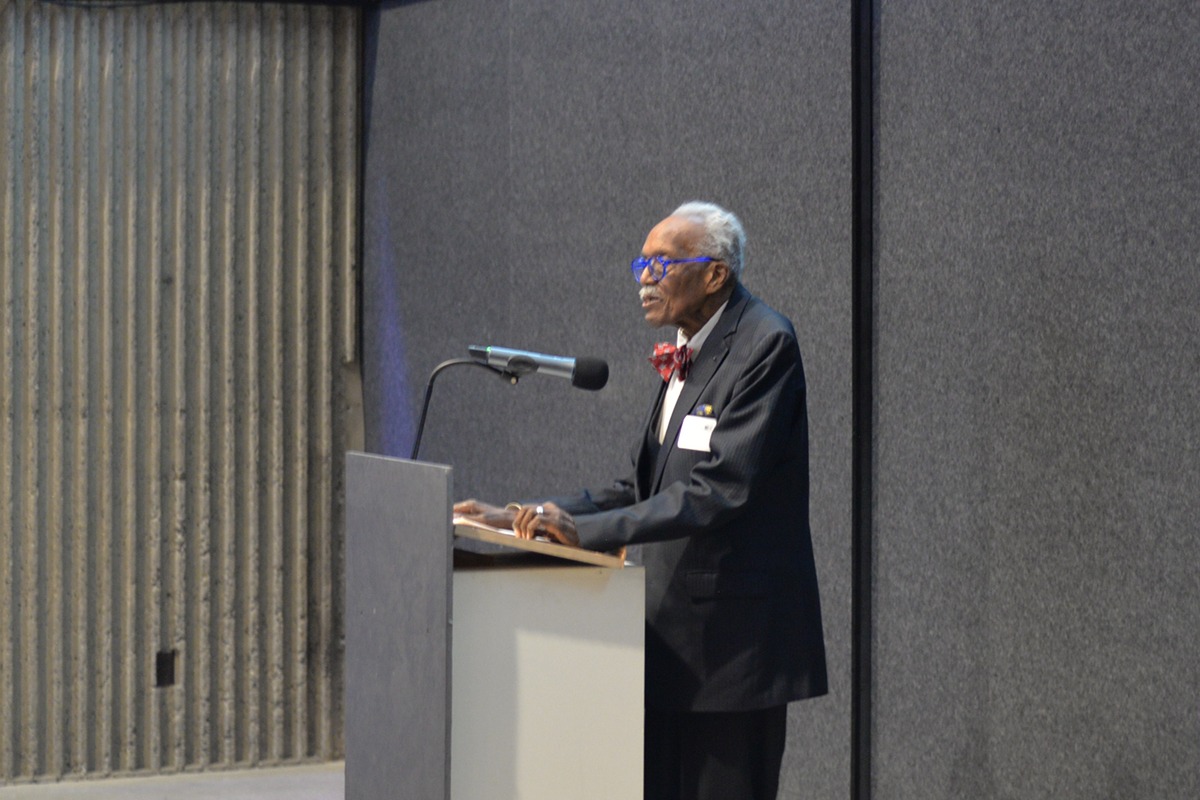
Leon Bridges at Lectern
Leon Bridges Accepting his UW Architecture Distinguished Alumni Award

Bridges’ leadership and service extended far beyond architecture. He served on the Executive Board of the Planned Parenthood Federation of America and on the boards of the Greater Seattle and Greater Baltimore YMCA and the Baltimore Urban League. He was a Life Member of the NAACP, Baltimore ACT-SO, the Club of Baltimore, and the Swags of Baltimore.

Professionally, Bridges broke barriers as the first elected Black Director of the Middle Atlantic Regional AIA Board of Directors and later served as elected National Vice President of the AIA. He was President of the National Organization of Minority Architects (NOMA), Co-Founder and Chairman of the AIA Minority Scholarship Fund, and an organizing member of the AIA Task Force on Social Responsibility. He was inducted into the AIA College of Fellows in 1986 and the NOMA Council of Elders (NOMAC) in 1984, and he received the national AIA’s Whitney M. Young Jr. Award in 1993.

After an introduction by UW Affiliate Professor of Architecture Donald King, FAIA, NOMAC, Leon gave a particularly moving and inspirational acceptance speech at the 2025 Architecture Distinguished Alumni Awards Program, held at the LMN Shop Space on April 17. He spoke candidly about the racial discrimination he endured and the strong support he received from architecture faculty at the University of Washington in the 1950s. A groundbreaking architect in both practice and national leadership within the AIA and NOMA, he emphasized the importance of determination and resilience in the face of adversity. He also spoke movingly of the unwavering support of his wife, Eloise Avonne Jones Bridges, PhD, and his children—Vanessa Joy, Elise Gay, Leon Jr., and Elliott Reynolds—all of whom were in attendance.

Leon Bridges’ legacy as a pioneering architect, civic leader, and advocate for equity and opportunity will endure. He will be deeply missed.

A more extensive obituary in the Baltimore Banner can be found Here,