The Master of Science in Architecture — Design Technology is a research-based degree for architects, engineers and other qualified individuals interested in advanced technical research related to architecture and the built environment.
Research Areas
Students may pursue research in areas including:
- Design computing
- Building performance simulation
- Sustainable systems and design
- High-performance buildings
- Materials and fabrication
- Structural analysis
- Life-cycle analysis
- Food-water-energy systems
- Related technical areas in architecture and allied disciplines
The program is designed for students who already hold a bachelor’s and/or professional degree in architecture or a related field and want to deepen their research, technical and professional capabilities.
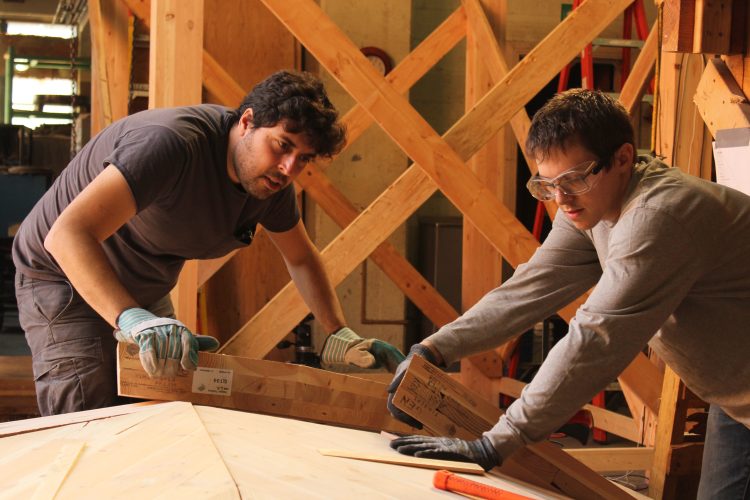
Program Focus
The program began in 2001 as the MS in Architecture stream in Design Computing. In 2020, it was renamed Design Technology to reflect a broader range of technical research areas while continuing to include design computing as an important area of study.
This broader focus responds to the growing need for advanced expertise in computation, building technology and related technical fields. Graduates may use the degree to pursue specialized professional practice, advanced positions in architecture and allied disciplines, or further study at the Ph.D. level.
Curriculum
The program requires a minimum of 45 quarter credits. Coursework is tailored to each student’s area of research while maintaining a common foundation in applied research, thesis development and advanced study.
| Requirement | Credits |
|---|---|
| Core Curriculum | 24 |
| Design Technology Selectives | 21 |
| Total | 45 |
Core Curriculum
| Course | Credits |
|---|---|
| ARCH 586 Computation and Design Technology Seminar |
3 |
| ARCH 592 Research Methods |
3 |
| ARCH 597 Research Practicum |
5 |
| ARCH 599 Thesis Preparation |
4 |
| ARCH 700 Master’s Thesis |
9 |
| Total Core Curriculum | 24 |
Design Technology Selectives
Students complete 21 credits of selectives related to their research interests. Courses are selected in consultation with the student’s faculty adviser or the program director.