Office: Architecture Hall 170E
Phone: (206)221-6326
hubern@uw.edu
Curriculum Vitae [pdf]
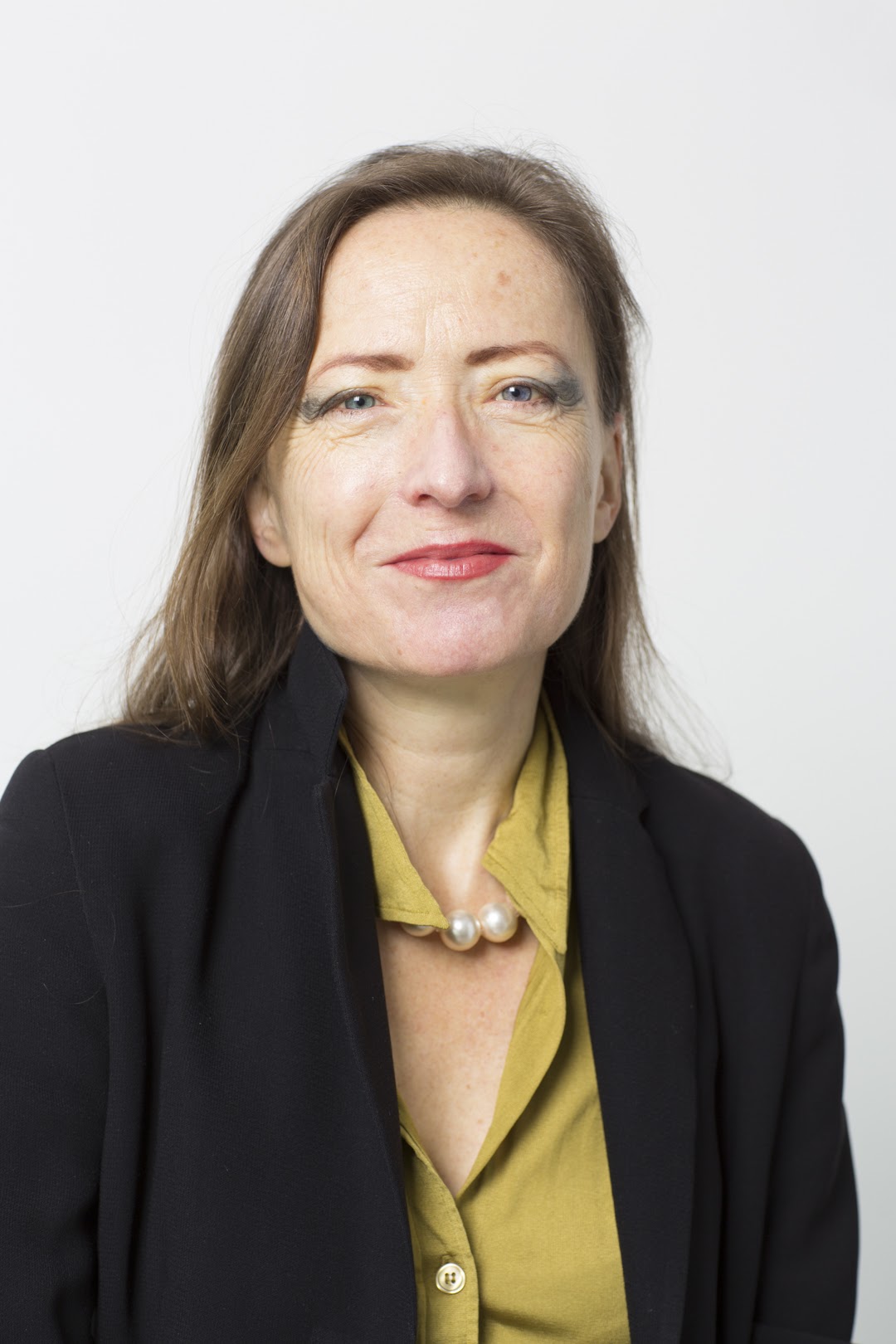
Nicole Huber
Associate Professor
Nicole Huber is an architect (Germany), architectural theorist, and historian whose work examines the intersections of architectural historiography, environmental design, media theory, and post-Anthropocene thought. She is Associate Professor in the Department of Architecture at the University of Washington, where she teaches design, history, and theory in architecture and urbanism through interdisciplinary connections to the environmental humanities and ecological thought.
Huber received her Diplom-Ingenieur (M.Arch.) from the Technical University Darmstadt and held a postgraduate research position at the Berlin University of the Arts. She earned her Dr. des. from the Bauhaus University Weimar (summa cum laude, 2006) and was Visiting Scholar at the History, Theory and Criticism Section of the Department of Architecture at Massachusetts Institute of Technology. Before joining UW, she taught at the Berlin University of the Arts, where she co-directed the Program for Urban Processes with Ralph Stern.
Her research investigates comparative urbanization, Bauhaus legacies, environmental epistemologies, and the relationship between architecture, ecology, and representation. Her publications have appeared in journals including AA Files, Journal of Urban History, Places, Topos, and Bauwelt. She is author of Urbanizing the Mojave Desert: Las Vegas (with Ralph Stern) and Die Architektur der Sachlichkeit: Visualität, Nationalität und Moderne, 1890–1919 (forthcoming).
Her current research develops Phono-Tecture, a post-anthropocentric methodology of architectural design and historiography grounded in Science and Technology Studies (STS), Bauhaus history, ecoacoustics, and multispecies theory. Emerging from the Future Visions: Anthropocene & the Environmental Crisis dialogues organized through the History, Humanities, and Futures Group at UW, the project rethinks architecture as a compositionist practice of multispecies co-creation and ecological worldmaking.